
Reading the Water: How to Spot Musky Hotspots Like a Pro
- nickjackson0894
- Sep 19, 2025
- 4 min read
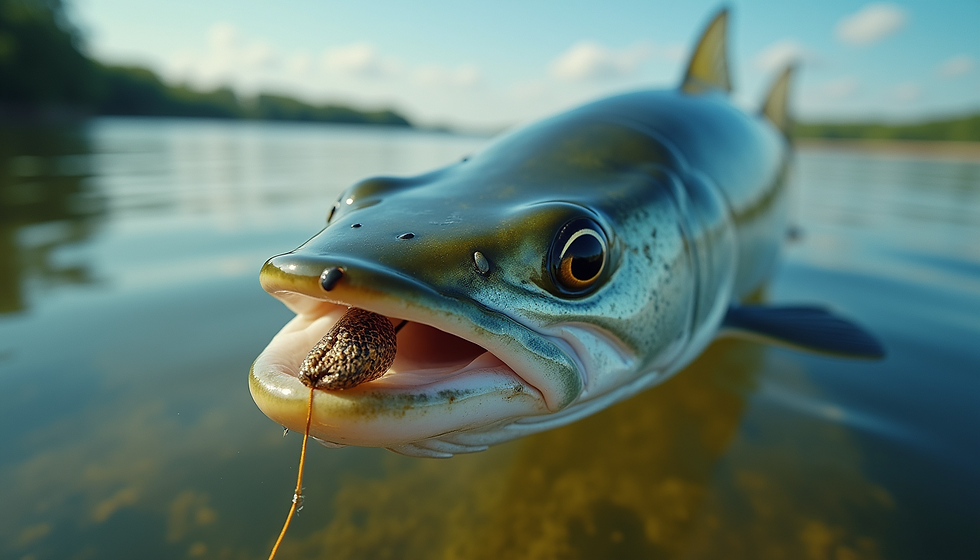
Musky fishing is often celebrated as the pinnacle of freshwater angling, attracting avid anglers eager to face one of the most elusive species in North America. However, success doesn’t just depend on the equipment or bait you choose; it hinges on effectively reading the water. By understanding what to look for in various aquatic environments, you can vastly improve your chances of finding musky hotspots. In this guide, we will discuss practical methods and tips for reading the water like a pro.
Understanding Musky Habitats
Musky are known for their predatory instincts and inhabit a range of freshwater environments, including lakes, rivers, and reservoirs. These fish gravitate towards areas with ample cover, such as submerged logs, weed beds, and rocky structures.
To effectively identify musky hotspots, familiarize yourself with the features of their habitats. Key indicators include:
Depth Changes: Musky often hide near areas where the water depth shifts. For instance, a sudden drop-off from 5 feet to 10 feet can be a prime ambush zone for musky to catch prey like perch or bass.
Water Temperature: Research shows that musky become most active when water temperatures reach between 68°F and 78°F. During the summer months, they are particularly on the move. In the fall, as temperatures start sliding below 60°F, you can observe an uptick in their feeding activity.
Identifying Key Features
When searching for musky hotspots, certain features can signal the likelihood of muskies being present.
Structure
As ambush predators, musky thrive in areas with substantial structure. Look for:
Submerged Logs and Stumps: These provide excellent camouflage and resting spots. For example, in a lake with a dense cover of submerged trees, you might find that a single log can harbor several musky waiting for their next meal.
Weed Beds: These areas are hotspots for baitfish, which attracts musky. Focus especially on the edges of thick weed beds — these are often where musky lurk for meals.
Rocky Areas: Uneven bottom structures create ideal ambush points. Musky can often be found near rocky outcrops where they can surprise schools of baitfish.
Current
In rivers and streams, water current can heavily influence musky behavior. They often position themselves where they can use current to their advantage. Look for:
Eddy Pools: These calm spots behind structures like rocks or logs can serve as resting places for musky, allowing them to wait for baitfish to drift by.
Current Breaks: Areas where the current starts to slow down tend to aggregate baitfish due to reduced water movement, making them ideal spots for musky hunting.
Seasonal Patterns
Understanding how musky behavior shifts throughout the year can significantly improve your chances of finding them.
Spring
As water warms in spring, musky become more active and often move into shallower waters to spawn. They seek out spawning areas like bays and shallow flats. During this time, increases in water temperatures from 45°F to 60°F can trigger their movements.
Summer
In summer, musky tend to retreat to deeper waters during hot days. Focus on early mornings and late evenings for fishing, especially near weed beds and rocky structures. This is also when anglers can observe musky moving to depths of 20 feet or more in search of cooler water.
Fall
As the weather cools, musky become increasingly aggressive, moving back into shallower waters to feed heavily. This is the time to focus on areas rich in baitfish as musky will often seek out these locations before winter.
Winter
During winter, musky become less active and often head to deeper waters. Ice fishing can still prove effective, but it requires knowledge of their wintering habits, like targeting areas around 15-25 feet in depth, where musky tend to hang out.
Leveraging Technology
Modern technology can play a crucial role in reading the water and pinpointing potential musky hotspots.
Sonar and Fish Finders
Utilizing sonar and fish finders helps you detect underwater structures, depth variations, and even schools of baitfish. According to studies, dedicated fish finders can increase catch rates by as much as 30% by allowing anglers to identify features that may not be visible from the surface.
Mapping Software
Many anglers now utilize mapping software to analyze water bodies beforehand. These tools reveal depth contours, vegetation types, and other features that are essential for musky fishing. A map that shows underwater structures can increase your efficiency and success on the water.
Observing Water Conditions
Water conditions greatly impact musky behavior and your fishing tactics.
Clarity
Water clarity can make musky more cautious. For instance, in clear water, these fish may be more selective with their strikes. In murky conditions, using bright tackles could result in higher success rates. Anecdotal evidence suggests that angling in murky water can lead to a 50% increase in strike rates with vibrant lures.
Temperature
Monitoring water temperature is critical. Musky are most active at temperatures between 68°F and 78°F, so using a thermometer is a wise strategy. When the temperature is optimal, timing your fishing trips can lead to higher catch rates.
Mastering the Art of Reading Water
Gaining mastery in reading the water is crucial for any musky angler aiming to boost their chances of success. By thoroughly understanding musky habitats, recognizing key water features, tracking seasonal behavior, leveraging technology, and observing current water conditions, you can confidently spot musky hotspots.
With practice and dedication, you’ll not only enrich your fishing experiences but also enhance your potential for landing that elusive musky. So gather your gear, hit the waters, and begin sharpening your water-reading skills!


Comments