
The Comprehensive Guide to Musky Fishing: Essential Knowledge for Enthusiasts and Professionals
- nickjackson0894
- May 21, 2025
- 4 min read
Musky fishing is not just a sport; it's an adventure that challenges anglers to push their limits. Known as the "fish of 10,000 casts," the muskellunge, or musky, is a prized catch for those who dare to pursue it. With its captivating beauty and notorious elusiveness, this fish offers a thrill that keeps anglers returning for more. In this detailed guide, we will explore everything you need to know about musky fishing, including important information, techniques, equipment, and tips for both success and enjoyment.
Understanding the Musky
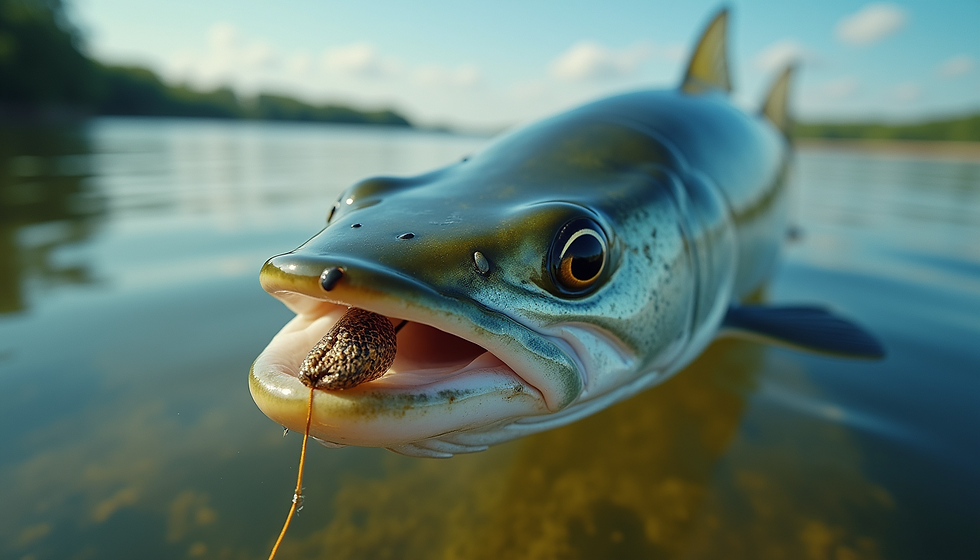
The musky is a large freshwater fish from the Esocidae family. With its streamlined body, sharp teeth, and unique markings, the musky is a sight to behold. They can grow to over 50 inches long and weigh up to 45 pounds. Found predominantly in North America, they inhabit lakes, rivers, and reservoirs where they thrive in large, open waters.
Muskies are ambush predators, primarily feeding on smaller fish but also hunting frogs, birds, and even small mammals. For example, in Wisconsin’s waters, studies show that muskies have a diet that consists of around 75% fish, highlighting their role in the ecosystem.
Habitat and Distribution
Muskies favor clear freshwater environments rich in structure. Ideal spots include areas with submerged trees, rocks, and dense vegetation where they can hide and surprise their prey. Here are some top U.S. locations for musky fishing:
Wisconsin: Features over 1,000 lakes and is known for the Chippewa Flowage, a top destination for musky anglers.
Minnesota: Home to the famous Mill Lacs Lake, boasting one of the highest musky populations in North America.
Michigan: In the northern region, lakes like the Indian River and Burt Lake provide excellent musky habitats.
Before fishing, it is essential to familiarize yourself with local regulations to support sustainable fishing practices.
Best Times to Fish for Musky
Understanding when to fish for muskies can make a big difference. The best seasons are spring and fall, when these fish are most active due to temperature changes. Here's how each season affects musky behavior:
Spring: As water temperatures rise, muskies become more aggressive. Early morning and late afternoon are prime times, with success rates up by nearly 40% during these hours based on recent angler reports.
Fall: Muskies feed heavily to prepare for winter, often moving into shallower waters. Overcast days can boost activity levels, leading to increased strikes.
Weather factors, such as barometric pressure, also influence musky behavior. For instance, many fishermen find that muskies bite best just before a storm.
Essential Gear for Musky Fishing
Equipping yourself with the right gear is crucial for your musky fishing experience. Here's a rundown of essential items:
Rod and Reel
Invest in a strong rod and reel combo capable of handling large fish. A rod length of 7 to 9 feet with medium to heavy action is ideal. Match this with a high-capacity reel that features a sturdy drag system to manage musky's power effectively.
Fishing Line
Choose your fishing line wisely. Many experienced anglers prefer braided line for its strength and sensitivity. A test of 65-80 pounds is often recommended as it provides the reliability needed to land these hefty fish.
Lures and Baits
Muskies can be caught using various lures, each with its benefits. Popular choices include:
Bucktails: Particularly effective during warmer months due to their flash and movement.
Topwater Lures: Offer a thrilling visual experience as muskies strike at the surface.
Swimbaits: Mimicking the natural movement of prey fish, these lures excel in the fall when fish are feeding aggressively.
Ensure that your hooks are sharp and durable to prevent losses when a musky strikes.
Techniques for Successful Musky Fishing
Successfully catching a musky requires practice and a few specific strategies that can significantly increase your chances:
Casting and Retrieve Techniques
A good casting technique helps you target the right areas, such as weed beds and submerged structures. Use a slow, steady retrieve interspersed with pauses to imitate a wounded fish—this approach can boost your chances of a bite.
Follow-Up Techniques
Muskies are known for following lures without committing to a strike. If you spot one following behind, alter your retrieve speed. Slowing down or speeding up can provoke a reaction, and having a secondary lure like a jerkbait ready can help entice the fish to bite.
Handling and Releasing
If you catch a musky, it's vital to handle it properly to ensure its survival. Use a net to minimize stress and avoid taking the fish out of water unnecessarily. When releasing, give the fish time to recover and ensure it is fully revived before letting it swim away.
Safety and Ethical Considerations
Safety is paramount while fishing, as well as being mindful of conservation efforts. Here are vital tips to keep in mind:
Wear a Life Jacket: Always prioritize safety by wearing a life jacket, especially when fishing from a boat.
Know Local Regulations: Familiarize yourself with catch limits and size requirements specific to your region to support ongoing musky conservation.
Catch and Release Practices: Following catch and release guidelines helps ensure that future generations of anglers can experience the thrill of musky fishing.
Final Thoughts
Musky fishing can be an incredible journey filled with exhilarating challenges and rewarding moments. By understanding the biology and behavior of muskies, selecting the right gear, and honing your techniques, you can amplify your fishing experience. As you set out on this adventure, remember to prioritize safety and ethical practices, ensuring muskies remain a vital and vibrant part of our waterways for years to come.

With this guide, you are now ready to navigate the waters in search of the elusive musky. Best of luck, and happy fishing!


Comments